


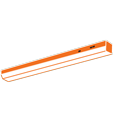





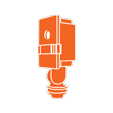





In the world of commercial lighting options and architectural lighting design, many facility managers, lighting designers and specifiers ask: what’s the difference between track lighting and busSTRUT lighting? At Votatec, we see projects where the wrong choice of overhead lighting systems leads to costly rewiring, limited flexibility and missed opportunities for modular lighting solutions. This article explains the difference between track lighting vs busway lighting, highlights the benefits of a busSTRUT lighting system, and helps you choose the right system for lighting for retail and warehouses, open‑ceiling commercial spaces, and more.
What is Track Lighting?
Definition and Core Components of Customizable Lighting Tracks
Track lighting, sometimes called a customizable lighting track system, is essentially a ceiling‑mounted lighting rail where fixture heads plug in and can be repositioned. In other words, it is one of the modular lighting solutions focused purely on illumination.
Core components include:
- A rigid or suspended track mounted to a ceiling or wall
- Conductors or busbars inside the track that provide power
- Fixture heads that attach to the track and draw power
- Connectors, feed points and mounting hardware
Typical Applications of Track Lighting in Commercial/Residential
Track lighting is widely used when the emphasis is on directional lighting, accent lighting, or flexible lighting layouts – especially in spaces like retail boutiques, residential kitchens, art galleries or small showrooms.
Key advantages:
- Ability to aim and reposition light heads to highlight products, artworks or task zones
- Lower upfront cost compared to more complex infrastructure
- Ease of installation in smaller or finished spaces
Limitations:
- Primarily for lighting only – not designed to provide general power drops or serve as a full modern lighting infrastructure
- Structural capacity is limited; the track supports only the lighting fixtures it carries
- When layout changes or power/data drops are required, the system often requires more wiring or restructuring
What is a busSTRUT Lighting System (Busway Electrical System for Lights)?
Definition and Core Components of a Busway / busSTRUT Lighting System
A busSTRUT lighting system is a modern overhead power distribution and structural support system that combines a busway electrical system for lights with mounting infrastructure for fixtures, signage, data or decor. The term “busSTRUT” is often used for a premium modular system where steel strut and electrical busbars are integrated.
Key components:
- Heavy gauge steel channel serving as the structural support and rail
- Busbars (copper or aluminium) embedded in the channel for power distribution lighting
- Pre‑wired runs, tap‑off fittings, jumpers, joiners and feeders
- Mounting for lighting fixtures (linear, accent, general) plus the capability for power and data drops
- Designed to support a lighting grid vs busSTRUT configuration flexibility in overhead lighting systems
Typical Applications of busSTRUT Systems in Commercial Lighting
A busSTRUT lighting system is ideal when you are building a modern lighting infrastructure with flexibility, scalability and multi‑purpose use in commercial lighting for retail and warehouses, industrial floors, labs or large open‑ceiling venues. Examples include:
- Spaces that need to support heavy lighting loads, signage, power drops and data equipment
- Facilities requiring modular lighting solutions: the busSTRUT allows you to add or move lighting heads, power outlets or data ports without major rewiring
- Overhead lighting systems where aesthetics, adaptability and future‑proofing matter (e.g., showroom ceilings, large‑format retail)
Advantages include: - High structural capacity and ability to support lighting fixtures, signage and data equipment
- Ability to integrate lighting, power, data and decor elements on one system
- Flexibility to reconfigure lighting layouts and adapt overhead lighting systems without major effort
Limitations: - Higher upfront cost and require greater planning/infrastructure investment
- May be over‑specification for very small spaces or simple lighting‑only needs

Track Lighting vs busSTRUT Lighting – Key Differences
Functional Focus: Illumination vs Power Infrastructure
In comparing track lighting vs busway lighting, the biggest functional difference is:
- Track lighting is focused on lighting fixtures and aiming light; it is a lighting system dedicated to illumination.
- busSTRUT is fundamentally an infrastructure system – power distribution lighting, structural support and flexible overhead lighting systems that support lighting among other loads.
Electrical & Standard Ratings
- Customizable lighting tracks are typically designed for lighting loads only and operate at standard lighting voltages; they are limited in capacity compared to full distribution systems.
- Busway or busSTRUT systems are rated for higher amperage, multiple loads, and serve as full power infrastructure for lighting + equipment + data.
Structural Capacity and Load Support
- Track systems use lightweight rails designed to support lighting heads only; the structural capacity for heavy loads is minimal.
- busSTRUT systems use heavy‑gauge steel channels, designed to carry lighting fixtures, signage, power/data drops and support loads over long spans in open‑ceiling commercial spaces.
Flexibility and Reconfiguration
- With track lighting, you can reposition light heads along the track, but you are limited by the original layout and wiring infrastructure.
- With a busSTRUT lighting system, you have the freedom to adapt the layout, add or remove lighting/power/data drops and support flexible lighting layouts with ease.
Cost, Installation & Lifespan
- Track lighting tends to be less expensive to install in small‑scale or lighting‑only projects: simpler installation and minimal wiring.
- busSTRUT requires more upfront cost and planning, but when you consider a large facility or a space that will undergo future changes, the value of modular lighting solutions, power distribution lighting and flexible overhead lighting systems often outweighs the initial investment.
Application Scale & Use Cases
- For projects that are small to medium in size, primarily lighting‑centric and not expecting major reconfiguration, track lighting is frequently the right solution.
- For large, open‑ceiling, multi‑purpose commercial spaces that need lighting + power + data and expect frequent layout changes (such as a warehouse or retail environment), a busSTRUT lighting system makes sense.
Decision Matrix at a Glance
| Situation | Best Fit | Why |
| Residential or small boutique store with simple accent/task lighting | Track Lighting (Customizable Lighting Tracks) | Lower cost, focused on illumination only |
| Large showroom, warehouse, industrial floor or retail with changing displays & power/data needs | busSTRUT Lighting System | Supports lighting + power distribution + flexible lighting layouts |
| Open‑ceiling modern commercial lighting infrastructure with future upgrades | busSTRUT | Modular lighting solutions, overhead lighting systems, data/power drops easily handled |
| Small space with minimal budget and primarily aesthetic lighting | Track Lighting | Simpler, cost‑effective for lighting‑only |
How to Choose the Right System for Your Project (Votatec’s Guide)
Evaluate Your Space and Requirements
To select between track lighting vs busway lighting, ask yourself (and your project stakeholders) the following:
- What is the size of the area? What is the ceiling height and finish? Is it open‑ceiling or suspended ceiling?
- What are the lighting goals? Are you doing accent lighting, task lighting, ambient lighting, or full overhead luminaire coverage?
- Are there other loads required overhead (power drops for displays, data/AV equipment, signage) or will you only mount lighting devices?
- How often will the layout change? Do you anticipate frequent reconfigurations of lighting, power/data in the future?
- What is the budget and timescale? What is your long‑term vision for the space and how might it evolve?
Budget and Lifecycle Costs
- With track lighting, estimate cost for the rails, heads/fixtures, wiring and installation – but if layout changes, you may incur extra costs later.
- With busSTRUT systems, the upfront cost is higher, but you gain from reduced labour for future changes, fewer conduits and wires for power distribution lighting, and enhanced adaptability.
- Consider lifecycle cost: when you include maintenance, upgrades, flexibility and future proofing, a busSTRUT system may deliver better ROI in many commercial settings.
Structural & Electrical Constraints
- Does the existing ceiling structure support heavy mounted rails or heavy equipment? Are there adequate hang‑points?
- How many circuits and what amperage do you need? What future loads might be required? Are there any local code/standards (lighting grid vs busSTRUT) you must meet?
- For a busway electrical system for lights, you must look at feeder circuits, trunking length, tap‑off locations, structural supports and safety certifications.
Design Flexibility & Future Proofing
- If your space is static (once installed, not likely to change), a track lighting system may suffice.
- If your space is dynamic (retail with changing displays, warehouse with evolving layout, showroom with frequent redesign), then you’ll want a busSTRUT lighting system engineered for flexible lighting layouts and modular lighting solutions.
- Consider overhead lighting systems that support linear lighting design, flexible layouts, customizable lighting tracks and modular solutions for future growth.
Votatec’s Recommendations
- For small‑to‑mid scale spaces such as residential, small retail or boutique stores where the primary goal is lighting and minimal future changes:
→ Go with a quality track lighting system featuring customizable lighting tracks, LED‑based fixtures, flexibility in aiming heads and good dimming capabilities. - For large, open‑ceiling, multi‑purpose commercial spaces (big box retail, warehouses, industrial, labs) where you need lighting + power + data and expect reconfiguration:
→ Specify a busSTRUT lighting system (busway electrical system for lights) with modular components, heavy structural support and ease of reconfiguration and upgrades. - In all cases, ensure your specification includes compliance with standards, high‑quality fixtures, efficient lighting design (linear lighting design) and integration with your overall architectural lighting design. At Votatec, we can assist from evaluation through design and installation to ensure you get the right system aligned with your long‑term objectives.
Maintenance, Upgrades & Lifecycle Considerations
- Track Lighting: Maintenance is straightforward – replace or reposition heads, adjust aiming. But if you outgrow the setup or need to add power/data, you may hit system limitations.
- busSTRUT Lighting System: The overhead infrastructure is designed for adaptability. You’ll find it easier to add lighting, power taps, data ports, signage later with minimal rewiring.
Best practices for both systems: - Choose LED light fixtures to maximize energy efficiency, reduce maintenance and lifespan.
- Schedule periodic inspections of connectors, hanger hardware, power tap points and structural supports – especially in overhead lighting systems.
- Document layout and circuitry (especially with busSTRUT systems) so future modifications are efficient and clear.
- For busSTRUT systems: Follow manufacturer guidelines for support spacing, load capacities and tap‑off installations.

H2: Comparing Modular Lighting Solutions: Track vs busSTRUT
When it comes to modular lighting solutions, choosing between track lighting and a busSTRUT lighting system depends on the functional requirements of the space. Track lighting offers a flexible, fixture-specific solution ideal for accent or task lighting in smaller environments like boutiques, studios or residential areas. These customizable lighting tracks allow for repositioning of light heads but are limited in load capacity and power flexibility. In contrast, busSTRUT lighting systems are engineered as complete modular infrastructure solutions – not just for lighting but also for power and data distribution. They are ideal for large-scale, open-ceiling commercial environments that require dynamic layouts, overhead signage, AV, and evolving space use. For businesses anticipating future growth or frequent reconfigurations, busSTRUT is the superior modular lighting solution offering structural and electrical adaptability.
H2: Power Distribution Lighting: What You Need to Know
Power distribution lighting refers to lighting systems that do more than illuminate – they also provide an infrastructure backbone for electricity and data. While traditional lighting systems require separate conduits and wiring, modern solutions like busway electrical systems for lights streamline power delivery by integrating it directly into the structural support. Track lighting, by contrast, is not designed for high-amperage or multi-circuit power distribution – it’s limited to lighting loads and simpler installations. A busSTRUT lighting system supports multiple power drops, circuit flexibility, and load diversity, making it ideal for environments where lighting, AV equipment, signage, and even charging stations share the same suspended system. Understanding power distribution lighting is critical when specifying infrastructure for new commercial builds, especially where code compliance, future-proofing, and load balancing are essential.
H2: Designing for Commercial Spaces: Lighting for Retail and Warehouses
Lighting for retail and warehouses must balance functionality, flexibility, and visual appeal. In retail environments, lighting affects shopper behavior, brand perception, and product visibility. Track lighting excels here, offering customizable lighting tracks to direct illumination onto displays, highlight merchandise, and adapt to changing visual merchandising needs. However, larger commercial settings like warehouses or open-floor retail require more robust solutions. A busSTRUT lighting system delivers not only lighting but also power and data integration, essential for modern warehouse operations and large-format retail spaces. With linear lighting design, integrated power taps, and support for signage or surveillance equipment, busSTRUT systems enable efficient layouts and energy savings. For both types of spaces, the key is to design with scalability and adaptability in mind – something that Votatec supports with tailored infrastructure planning and lighting layout optimization.
FAQs About What’s the Difference Between Track Lighting and BusSTRUT Lighting
What is the main difference between track lighting and busSTRUT lighting?
The main difference lies in their function: track lighting is about lighting fixtures and customizable lighting tracks for illumination, whereas a busSTRUT lighting system (or busway electrical system for lights) is about power distribution lighting, structural support and flexible overhead lighting systems that support lighting among other loads.
Can track lighting systems be used for power/data devices like busSTRUT systems?
No – track lighting is primarily designed to support lighting heads only and does not offer the structural load capacity or power/data distribution of a busSTRUT system. If you need power drops, data ports or heavy signage mounts overhead, a busSTRUT system is the appropriate commercial lighting option.
Is busSTRUT lighting always more expensive than track lighting?
Typically yes in terms of initial cost. However, when considering large spaces, future reconfiguration, lighting for retail and warehouses, and the flexibility of modular lighting solutions and overhead lighting systems, the long‑term cost of busSTRUT often becomes more favorable because it reduces labour, wiring revisions and retrofit work.
Which system is better for a retail store with changing layouts?
If the store layout will change often and you plan to add displays, signage, power/data drops and want to support flexible lighting layouts, then a busSTRUT lighting system is the better fit. If it’s a smaller boutique with simple lighting changes and minimal power/data needs, a track lighting solution might suffice.
Are there retrofit options if I have track lighting and want to upgrade to busSTRUT?
Yes, but retrofitting requires evaluating existing ceiling structure, power circuit capacity, suspension points and layout changes. Transitioning to a busSTRUT lighting system may involve replacing or reinforcing rails, adding feeders/trunks, tap‑off fittings and planning the integrated system of lighting + power + data. Votatec can assist with assessment and transition planning.
Conclusion on What’s the Difference Between Track Lighting and BusSTRUT Lighting
Selecting between a track lighting system and a busSTRUT lighting system is not just about choosing a lighting style – it’s about choosing the right modern lighting infrastructure for your space’s scale, purpose, budget, and future evolution. For projects where illumination is the sole concern and reconfiguration is minimal, a customizable lighting track (track lighting) offers a cost‑effective solution. For spaces requiring power distribution, flexible overhead layout changes, heavy mounts, signage and long‑term adaptability, a busSTRUT lighting system (busway electrical system for lights) is the smarter investment. At Votatec, we specialise in analysing your space, understanding your lighting and power/data needs, and recommending the optimal system – whether you need linear lighting design, flexible lighting layouts or a full overhead lighting systems infrastructure. Contact us today for a free assessment and let us help you build the right solution for your project’s needs and future.


