















 (+1) 905 597 5955


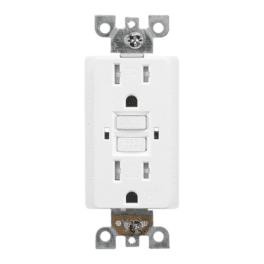
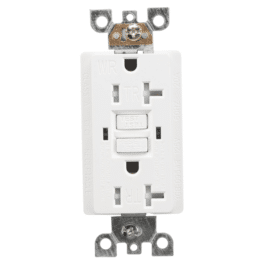

Wholesale GFCI outlets and switch combos for Canadian electrical contractors and facility teams. Every device is CSA certified to the Canadian Electrical Code, Class A rated, and available in 15A and 20A. Choose weather-resistant receptacles for outdoor and damp locations, or GFCI and USB charger combos for countertops and workspaces.
Types of GFCI We Carry
Two product families cover most Canadian jobs. Both come in 15A and 20A so you can match the breaker on the circuit.
Weather-Resistant GFCI Receptacles
Built for outdoor receptacles, garages, pool and hot tub areas, and any damp location. The Canadian Electrical Code requires GFCI on outdoor receptacles within 2.5 m of grade, so these are the go-to for exterior work. Available in 15A and 20A, CSA certified, and rated for use with an in-use cover.
GFCI & USB Charger Combos
A GFCI receptacle and built-in USB charging in a single device. Good fit for kitchen countertops, reception desks, hospitality rooms, and multi-unit residential units where tenants expect charging at the outlet. Frees up a wall plate and keeps the circuit protected. Available in 15A and 20A.
15A vs 20A: Which Do You Need?
Match the device to the breaker. Most general-purpose and bathroom circuits run 15A. Kitchen countertop and laundry circuits usually run 20A to carry higher-draw loads like microwaves and toasters. Check the panel: if the breaker reads 15, use 15A; if it reads 20, use 20A.
Receptacle or Switch Combo?
A GFCI receptacle protects the outlets wired downstream of it. A GFCI switch combo pairs ground-fault protection with a light switch on the same plate, which saves a gang in tight boxes. Need a switch combo or a standard receptacle that isn't listed here? Ask us and we'll source it at wholesale.
Which GFCI Switch Do You Need?
15A vs 20A GFCI Outlets
Most residential circuits run on 15A. That covers bathrooms, bedrooms, and general-purpose outlets. Kitchen countertop circuits and laundry rooms typically need 20A to handle higher-draw appliances like microwaves, toasters, and hair dryers running at the same time.
Not sure which one you need? Check your breaker panel. If the breaker says 15, go with 15A. If it says 20, use 20A. Pretty simple.
Weather-Resistant GFCI Outlets
Outdoor receptacles, pool equipment areas, and anywhere exposed to rain or moisture need a weather-resistant (WR) rated GFCI. It's code. Standard indoor models don't have the corrosion-resistant internals to handle freeze-thaw cycles and humidity.
If you're in Canada, this matters even more. Temperature swings from -30°C in January to +35°C in July put extra stress on outdoor electrical components. Our WR models are tested for those conditions.
Tamper-Resistant GFCI
Every new or renovated home in Canada needs tamper-resistant receptacles. They have built-in shutters that block objects like keys or paper clips from being inserted into the slots. Required by the Canadian Electrical Code for child safety.
All Votatec GFCI outlets come with tamper-resistant shutters standard. You don't have to buy them separately.
Why Canadian Contractors Buy GFCI From Votatec
Where Does the Canadian Electrical Code Require GFCI?
Rule 26-700 of the Canadian Electrical Code sets it out. Class A GFCI protection is required on 15A and 20A receptacles in these spots:
- Within 1.5 m of any sink, bathtub or shower
- Kitchen countertop receptacles near the sink
- Outdoor receptacles within 2.5 m of finished grade
- Garages and accessory buildings
- Unfinished basements and crawl spaces
- Pools, hot tubs and saunas, plus their equipment
Pulling a permit? The inspector checks every one of these. Easier to spec GFCI up front than to swap devices on a callback.
How Does a GFCI Work?
A GFCI watches the current on the hot and neutral wires. If it sees an imbalance, it cuts power fast enough to prevent a shock. A Class A device trips at 5 mA, which is the rating the Canadian Electrical Code calls for. The test and reset buttons let you confirm it's live, and self-test models flag a fault on their own.