














 (+1) 905 597 5955


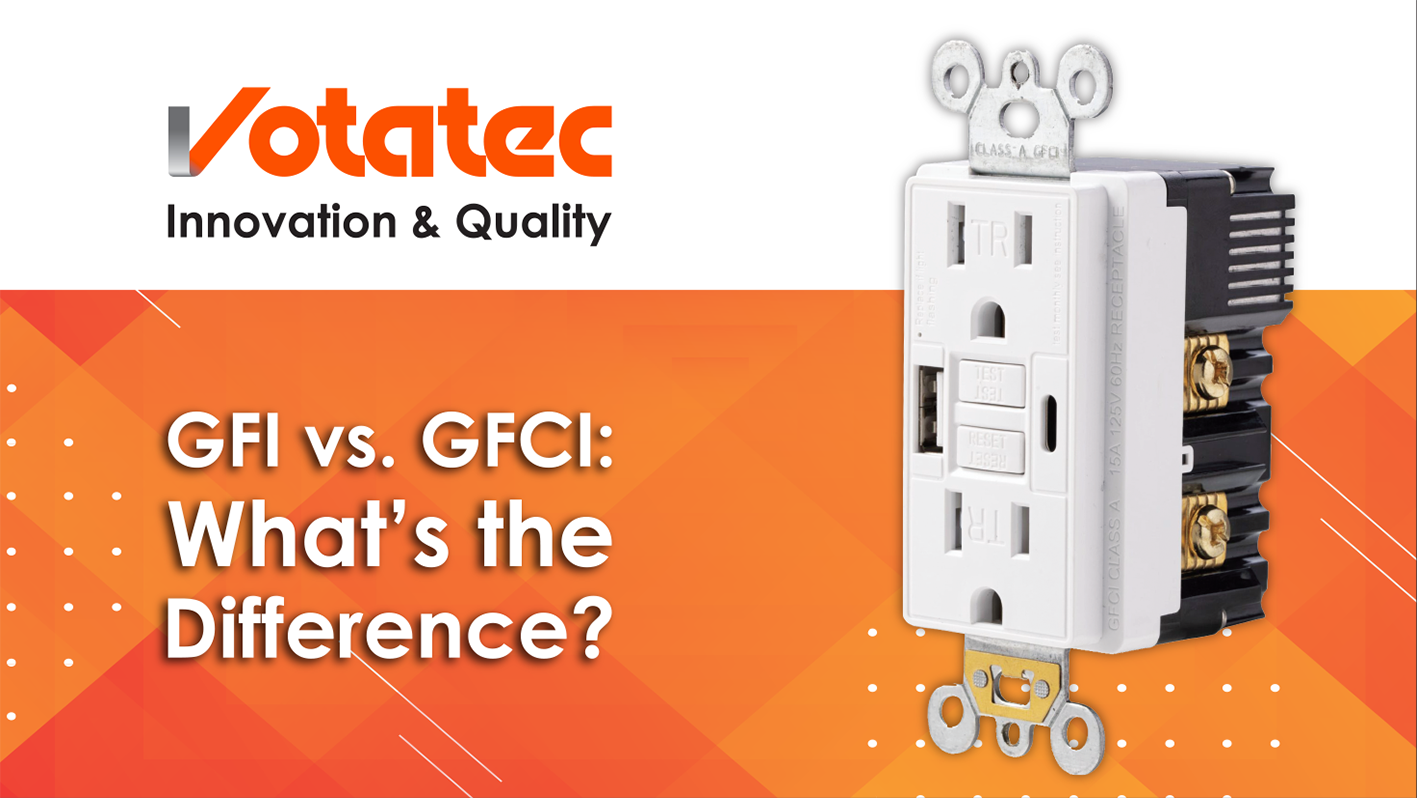

GFI vs GFCI: GFI and GFCI are the exact same thing. Different name, same device, same protection.
That’s it.
The term GFI (Ground Fault Interrupter) was common years ago, but GFCI (Ground Fault
Circuit Interrupter) is now the standard used by the Canadian Electrical Code and
manufacturers. If someone says GFI, they mean GFCI. No difference in function,
protection level, or installation.
Now that we’ve cleared that up, let’s get into the stuff that actually matters –
the types of GFCI protection available, where Canadian code requires them, and how
to pick between a GFCI outlet and a GFCI breaker
At Votatec, we work with electrical contractors who regularly install our LED lighting products in environments requiring proper ground fault protection. This complete guide will clarify the GFI difference, explain how these safety devices work, and help you determine the best choice for your specific electrical needs.
What Is a GFCI Outlet and How Does It Work?
What Is a GFCI Outlet? Ground fault circuit interrupter outlets are life-saving electrical safety devices designed to protect people from electrical shock caused by ground faults. When comparing GFCI outlet vs GFI terminology, you’re looking at identical protection technology with different names.
The Protection Mechanism
GFCI devices continuously monitor the flow of electricity through a circuit, comparing the amount of current going to an electrical device against the amount returning through the neutral wire. Under normal conditions, these currents should be equal. When current leaks from the intended path via an unintended path, through water, a person’s body, or faulty wiring – the GFCI detects this imbalance and cuts the power supply in as little as 1/40th of a second.
This rapid response time is essential for shock prevention and protecting against electrical accidents. The device responds to imbalances as small as 4-6 milliamperes, well below the threshold where humans lose voluntary muscle control, maintaining current at safe levels and reducing shock risks.
Types of Ground Fault Protection Devices
When discussing GFI vs GFCI outlet options, several device types provide varying level of protection:
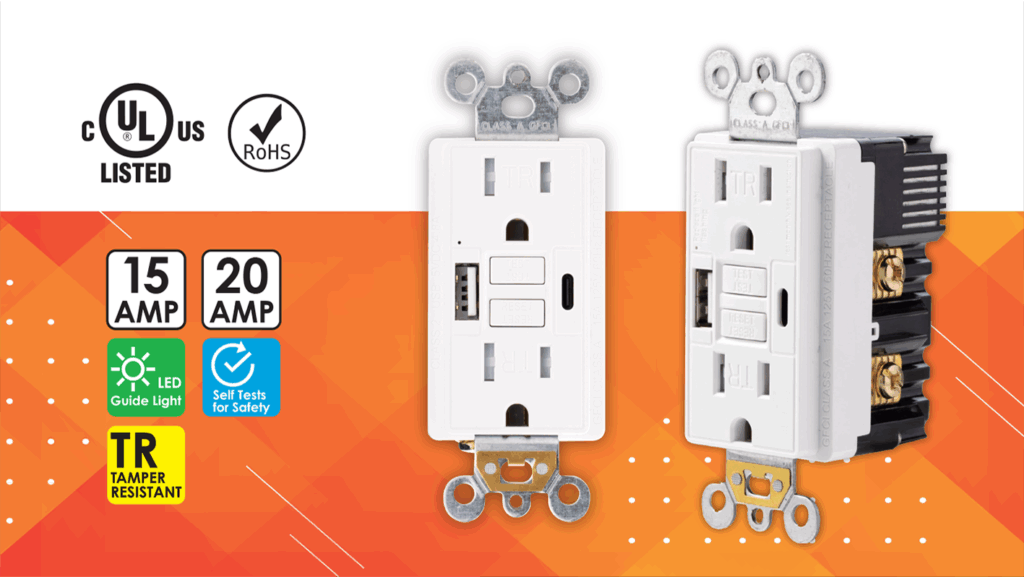
GFCI Receptacle Outlets: These specialized electrical outlets feature built-in ground fault protection with test and reset buttons. Modern options like the docking drawer blade receptacles and drawer blade outlet systems integrate smoothly into kitchen designs while providing full electrical protection. Some advanced models include USB charging capabilities alongside ground fault protection, making them the best choice for contemporary kitchens and damp areas.
GFCI Circuit Breakers: Installed in the breaker panel, these breakers provide ground fault protection for entire circuits. When comparing GFI vs GFCI breaker terminology, you’re again looking at the same technology. GFCI breakers are particularly valuable for dedicated circuits serving appliances, outdoor outlets, or commercial LED lighting installations in wet locations.
Portable GFCI Devices: These plug-in adapters provide temporary ground fault protection for power tools and equipment. Electrical contractors frequently use portable units when installing LED lighting systems in buildings under construction or in specific areas requiring temporary protection.
GFI vs GFCI
GFI Versus GFCI: Is There a Real Difference Between GFI and GFCI?
The confusion in the GFI versus GFCI debate stems from the evolution of electrical safety standards. Understanding this history clarifies the GFI difference and why both terms exist for identical technology.
Regulatory Standards and the National Electric Code
The National Electric Code (NEC) in the United States and the Canadian Electrical Code both officially adopted “Ground Fault Circuit Interrupter” (GFCI) as the standard terminology. This standardization helped reduce confusion among electrical professionals and established best practices for installation across the industry.
Professional electricians, inspectors, and manufacturers have standardized on the term GFCI, though GFI remains common among consumers. When working with a qualified electrician, you’ll typically hear GFCI used as the technical term, regardless of how product packaging might label these devices.
Why GFCI Became Preferred?
When examining GFI outlet vs GFCI outlet terminology, GFCI became preferred for several reasons:
- Technical Precision: “Circuit Interrupter” accurately describes breaking the entire circuit
- Regulatory Adoption: Electrical codes worldwide standardized on GFCI
- Professional Consistency: Training programs teach GFCI as the correct term
- Manufacturer Alignment: Major brands now use GFCI terminology exclusively
GFCI Requirements: Where Protection is Mandatory
Understanding where GFCI protection is required ensures compliance with codes and protects occupants from electrical shock. These requirements impact installations in specific areas throughout residential and commercial properties.
Mandatory Protection in High-Risk Locations
The National Electric Code mandates GFCI protection in appropriate areas where moisture significantly increases shock risks:
- Bathroom Facilities: All bathroom electrical outlets require GFCI protection due to water exposure from sinks, tubs, and showers. These damp areas present elevated hazards where even small amounts of moisture can create dangerous conditions.
- Kitchen Areas: Receptacles serving countertop surfaces need GFCI protection, particularly within 1.5 meters of sinks where water exposure is frequent. Modern kitchen installations often incorporate docking drawer systems with integrated GFCI protection, providing both convenience and safety.
- Laundry Rooms: These spaces require GFCI protection due to the combination of water sources and electrical appliances. Laundry rooms present unique challenges where washing machines and utility sinks create continuous moisture exposure requiring robust electrical protection.
- Outdoor Spaces: All outdoor outlets require GFCI protection regardless of height, location, or intended use. Outdoor spaces face constant water exposure from rain, sprinklers, and humidity, making ground fault protection essential for preventing electrical accidents.
- Garages and Crawl Spaces: These locations need GFCI protection due to moisture exposure and concrete floors providing grounding paths. Crawl spaces particularly benefit from GFCI protection as condensation and ground moisture create elevated shock risks.
- Unfinished Basements: These damp areas require full ground fault protection due to proximity to earth and potential moisture infiltration through foundation walls.

Understanding GFI vs GFCI vs AFCI Protection
When discussing Gfi vs GFCI vs AFCI, it’s important to understand these represent different protection technologies addressing distinct electrical hazards. Each provides a specific level of protection against different dangers.
GFCI: Protection from Electrical Shock
Ground Fault Circuit Interrupters (whether called GFI or GFCI) specifically protect against electrical shock caused by current taking an unintended path to ground. They monitor the flow of electricity and respond to imbalances as small as 4-6 milliamperes between hot and neutral wire conductors.
Primary Hazard Addressed: Human contact with energized conductors through ground faults, preventing electrical shock that could cause serious injury or death.
AFCI Devices: Protection from Electrical Fires
AFCI devices (Arc Fault Circuit Interrupters) detect dangerous electrical arcing conditions that can ignite fires. These devices monitor for electrical signatures of arcing faults caused by damaged wires, loose connections, or deteriorating insulation, conditions particularly common in older homes with aging electrical systems.
Primary Hazard Addressed: Electrical accidents and fires caused by arcing faults in branch circuit wiring, which account for thousands of residential fires annually.
Combination Protection for complete Safety
Modern best practices increasingly require both GFCI and AFCI devices in certain locations. Some breakers combine both technologies into dual-function units providing full protection against both shock and fire hazards, offering the highest level of protection available.
GFCI Outlet vs GFCI Breaker: Which One Should You Pick?
When deciding on the GFI vs GFCI breaker approach or receptacle-level protection, understanding your specific electrical needs helps determine the best choice.
1- Choose GFCI Receptacles When:
- Protecting individual electrical outlets in kitchens, bathrooms, or outdoor spaces
- Retrofitting older homes without changing breaker panel configurations
- Requiring localized protection with visible test/reset buttons in specific areas
- Installing modern solutions like drawer blade outlet systems
- Protecting multiple downstream receptacles from a single location
2- Choose GFCI Breakers When:
- Protecting entire circuits from the breaker panel
- Requiring centralized testing and management of electrical protection
- Installing in commercial facilities with maintenance staff access
- Protecting hardwired equipment in damp areas or outdoor spaces
- Addressing electrical needs where receptacle-level protection proves impractical
The best choice depends on factors including building age, circuit configuration, and specific areas requiring protection. Consulting a qualified electrician ensures optimal selection for your situation.
When Should You Call a Licensed Electrician for GFCI?
Proper installation of ground fault protection requires professional expertise. A qualified electrician understands the National Electric Code requirements, local regulations, and best practices for implementing full electrical protection.
Professional Installation Benefits
- Safety Assurance: Qualified professionals ensure proper wiring connections between hot, neutral, and ground conductors, preventing faulty wiring that could compromise protection or create additional shock risks.
- Code Compliance: Electricians stay current with evolving National Electric Code requirements for appropriate areas requiring GFCI protection, ensuring installations meet all regulatory standards.
- Proper Testing: Professional installation includes verification testing to confirm devices respond correctly to ground fault conditions, maintaining safe levels of current protection.
- Long-Term Reliability: Correct installation by a qualified electrician ensures GFCI devices provide reliable shock prevention for years, protecting against electrical accidents throughout the device’s operational life.
When to Call a Professional
While some homeowners tackle electrical projects, GFCI installation should typically involve a qualified electrician, particularly when:
- Working in older homes with outdated wiring systems
- Installing protection in breaker panel locations
- Addressing complex electrical needs across multiple circuits
- Retrofitting outdoor outlets or outdoor spaces
- Upgrading laundry rooms or other high-risk areas
- Installing integrated systems like docking drawer outlets
Do Older Canadian Homes Need GFCI Upgrades?
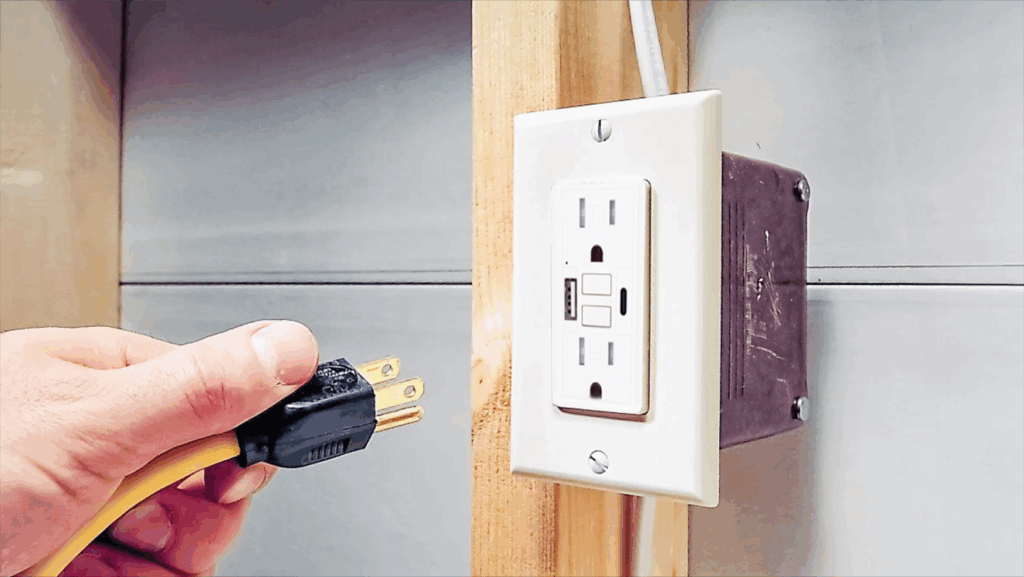
Older homes present unique challenges for implementing full ground fault protection. Many properties built before 1970 lack GFCI devices entirely, while those from the 1970s-1990s may have limited protection only in specific areas.
Retrofitting Older Electrical Systems
Upgrading older homes requires careful assessment of existing wiring and electrical needs:
Two-Wire Circuits: Many older properties lack proper grounding, using only hot and neutral wire connections. GFCI devices can still provide shock prevention in these circuits, though they should be labeled “No Equipment Ground” per code requirements.
Aluminum Wiring: Homes with aluminum wiring require special attention when installing GFCI devices. A qualified electrician should evaluate compatibility and implement appropriate connection methods to prevent faulty wiring problems.
Limited Panel Space: Older homes often have full breaker panel configurations with no room for additional GFCI breakers. Receptacle-level protection becomes the best choice in these situations, allowing targeted safety upgrades without panel replacement.
Outdated Outlets: Replacing old two-prong electrical outlets with GFCI receptacles provides both modern functionality and electrical protection, even without full circuit rewiring.
What’s New in GFCI Technology?
Contemporary GFCI technology offers enhanced features beyond basic shock prevention, addressing diverse electrical needs in residential and commercial applications.
Advanced Receptacle Options
Modern electrical outlets integrate multiple functions while maintaining essential ground fault protection:
Docking Drawer Systems: new docking drawer installations place GFCI-protected receptacles inside drawer spaces, keeping countertops clean while providing convenient access.
Multi-Function Outlets: Contemporary GFCI receptacles include USB charging capabilities, and smart home integration while maintaining important electrical protection. These represent the best choice for modern kitchens and workspaces requiring multiple connection types.
Weather-Resistant Models: Enhanced outdoor outlets feature superior water exposure protection with reinforced enclosures and corrosion-resistant materials, essential for Canadian climate conditions across all outdoor spaces.
Self-Testing Devices: Newest GFCI technology includes automatic testing features that eliminate manual monthly testing requirements while ensuring continuous shock prevention capabilities.
Common GFCI Questions and Misconceptions
Understanding proper ground fault protection helps prevent electrical accidents and ensures complete safety throughout your property.
Myth 1: GFCI and GFI Are Different
Reality: The GFI difference is purely linguistic, both terms describe identical technology providing the same level of protection against ground faults and electrical shock.
Myth 2: Grounded Outlets Provide Equal Protection
Reality: While proper grounding is essential, standard grounded electrical outlets don’t provide the same rapid shock prevention as GFCI devices. Ground fault protection actively monitors the flow of electricity and interrupts the power supply within milliseconds when detecting an unintended path for current.
Myth 3: New Homes Don’t Need GFCI
Reality: The National Electric Code requires GFCI protection in specific areas regardless of building age. New wiring can develop ground faults through damage, defects, or environmental factors, making protection essential in all appropriate areas.
Frequently Asked Questions About GFI vs GFCI
1. Which areas in my home require GFCI protection?
The National Electric Code mandates GFCI protection in specific areas including bathrooms (all electrical outlets), kitchens (countertop receptacles), laundry rooms, garages, unfinished basements, crawl spaces, and all outdoor spaces. Any location with potential water exposure or damp areas requires ground fault protection to prevent electrical shock. Older homes may lack protection in these areas and should be retrofitted by a qualified electrician following current best practices to reduce shock risks and prevent electrical accidents.
2. Should I install GFCI outlets or GFCI breakers?
The best choice depends on your specific electrical needs. GFCI receptacles work well for protecting individual electrical outlets in kitchens, bathrooms, and outdoor spaces where you want visible test buttons. Modern options like drawer blade outlet systems and docking drawer installations provide integrated solutions. GFCI breakers installed in the breaker panel are ideal for protecting entire circuits, particularly in damp areas, crawl spaces, or locations with outdoor outlets. A qualified electrician can assess your level of protection needs and recommend optimal solutions.
3. What’s the difference between GFCI and AFCI protection?
Understanding Gfi vs GFCI vs AFCI is essential: GFI and GFCI are identical terms for devices preventing electrical shock by detecting current flowing through an unintended path. AFCI devices protect against electrical fires caused by dangerous arcing from faulty wiring or damaged conductors. Modern best practices often require both technologies in appropriate areas, GFCI for shock prevention in damp areas and outdoor spaces, and AFCI for fire protection in living spaces, particularly in older homes with aging electrical systems.
4. Can I install GFCI protection myself?
While technically capable homeowners might install GFCI receptacles, hiring a qualified electrician is strongly recommended for ensuring proper electrical protection. Professional installation guarantees correct wiring of hot, neutral wire, and ground connections, preventing faulty wiring that could compromise shock prevention. Electricians ensure compliance with National Electric Code requirements for specific areas and appropriate areas, implement best practices for various electrical needs, and properly test devices to maintain safe levels of protection. This professional approach minimizes shock risks and prevents electrical accidents while ensuring long-term reliability of your power supply protection.
Bottom Line: GFI and GFCI Are the Same – Here’s What Matters
The GFI versus GFCI debate is settled, these terms represent identical technology providing important shock prevention throughout residential and commercial properties. Understanding where and how to implement ground fault protection protects against electrical shock while meeting National Electric Code requirements.
At Votatec, we partner with electrical contractors across Canada on commercial LED lighting projects where proper ground fault protection ensures both regulatory compliance and occupant safety. From LED installations in laundry rooms to complete lighting systems in outdoor spaces, every project benefits from properly implemented electrical protection in all appropriate areas.
When planning electrical upgrades, always consult a qualified electrician who understands best practices for preventing electrical accidents. Implement regular monthly testing, replace aging devices, and never compromise on safety features that protect lives by preventing shock risks through the breaker panel and throughout your electrical system.
Votatec – Illuminating Canada with Energy-Efficient LED Lighting Solutions