












 (+1) 905 597 5955


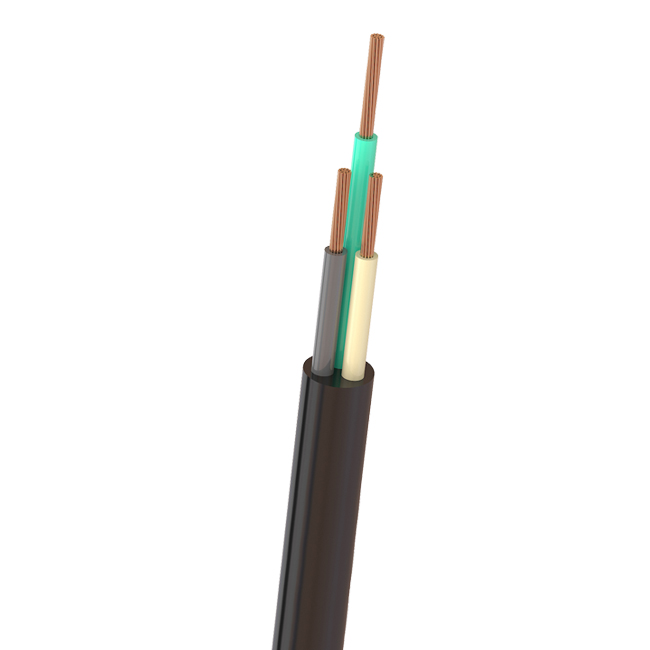
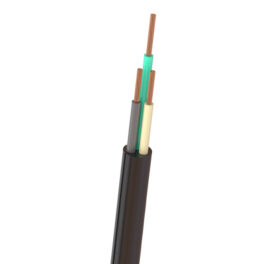
SOOW cable is 600V portable cord built for extra hard usage. The letters do the work: oil-resistant insulation, an oil-resistant jacket, and weather and water resistance that lets it run outdoors.
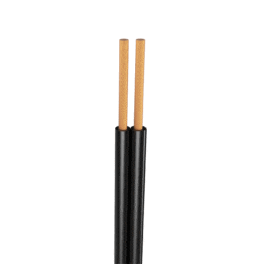
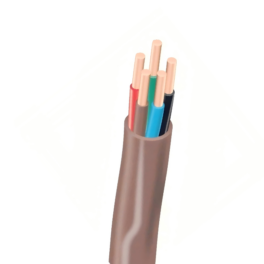
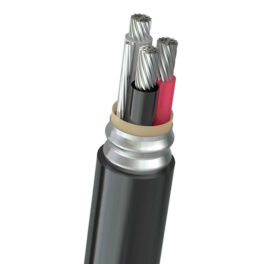
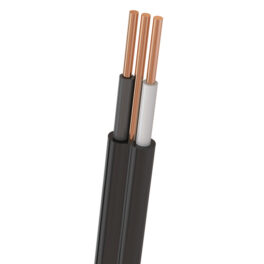
Stranded annealed copper conductors, EPR insulation, CPE thermoset sheath. Three sizes on 150 m reels: 14/3, 12/3 and 18/2, all black.
Certified to CSA C22.2 No. 49 and UL 62, with a bare copper bonding conductor in every size.
What does SOOW mean on wire?
Each letter is a rating. S is service cord, rated 600V. The first O is oil-resistant insulation, the second O is an oil-resistant jacket, and W means weather and water resistant. Drop the W and you lose the outdoor rating. Add a J and you drop to 300V junior service cord.
That's why SOOW turns up on gensets, welders, motor leads, portable lighting and dockside power. It's the default when a cord has to survive being dragged, coiled and left out in the weather.
Can SOOW cable be used outdoors?
Yes. The W is the outdoor rating, and it covers sunlight, water and weather exposure. This one runs a CPE thermoset sheath, which is heat-cured into cross-linked bonds instead of melted into shape, so it holds up against oil, ozone and UV better than a thermoplastic jacket does.
Outdoor rated isn't the same as direct burial. SOOW isn't a direct-burial cable, and it isn't a wiring method for permanent circuits.
SOOW or SJOOW: which one do you need?
Voltage. SOOW is 600V. SJOOW is 300V junior service cord with a thinner jacket. Feeding a 240V welder, a three-phase pump or a genset tie-in? You want SOOW. SJOOW suits light portable tools and short stage runs, where flexibility matters more than voltage headroom.
Both share the same oil and weather chemistry. The J is the one letter that changes what you're allowed to connect.
Where SOOW cable isn't allowed
CEC Rule 12-402 sets the limits and the list is short. Flexible cord can't substitute for a building's fixed wiring. It can't run through holes in walls, ceilings or floors, or through doorways and windows. It can't be fastened to building surfaces, and it can't be concealed behind finishes or above a dropped ceiling.
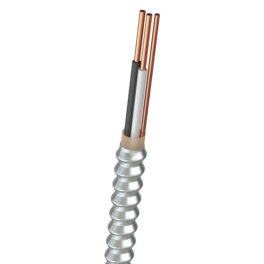
Temporary and portable is the whole point. Permanent and concealed? That's AC90, TECK90 or NMWU.
For conductor counts above three cores, shielded builds, or gauges heavier than 12 AWG, ask what the factory can run, because the published range stops at 14/3, 12/3 and 18/2. Send us your gauge, core count and total metres and we'll come back with a wholesale quote and a stock check.