










 (+1) 905 597 5955


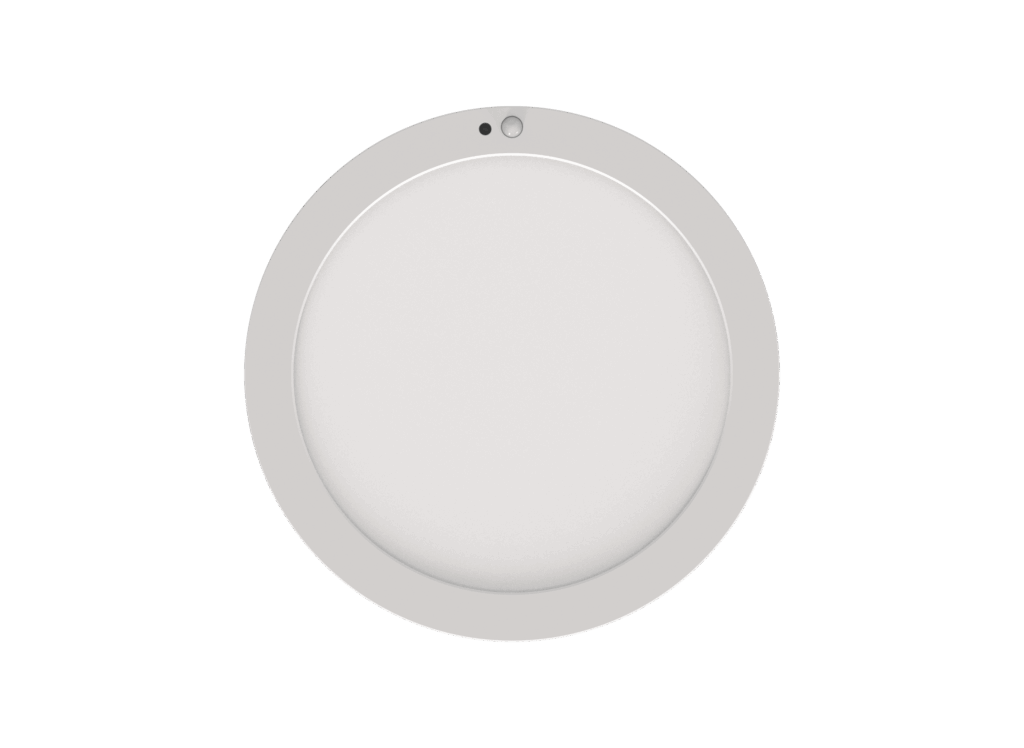
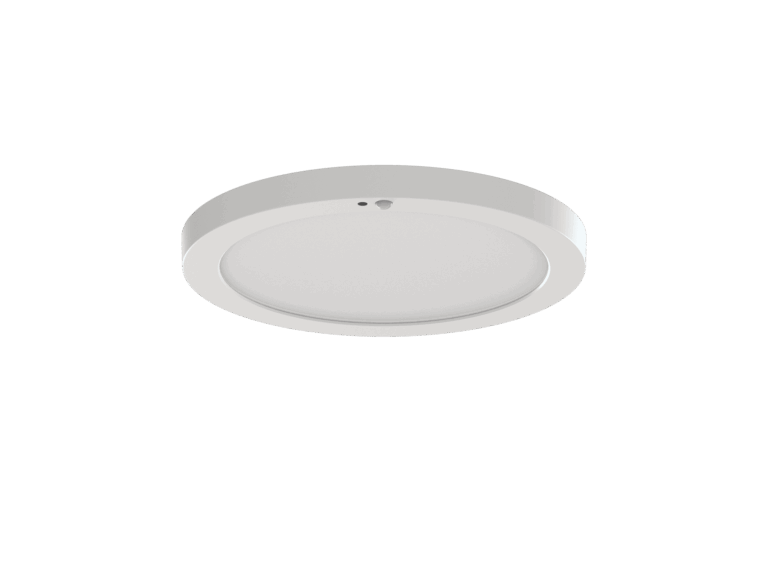
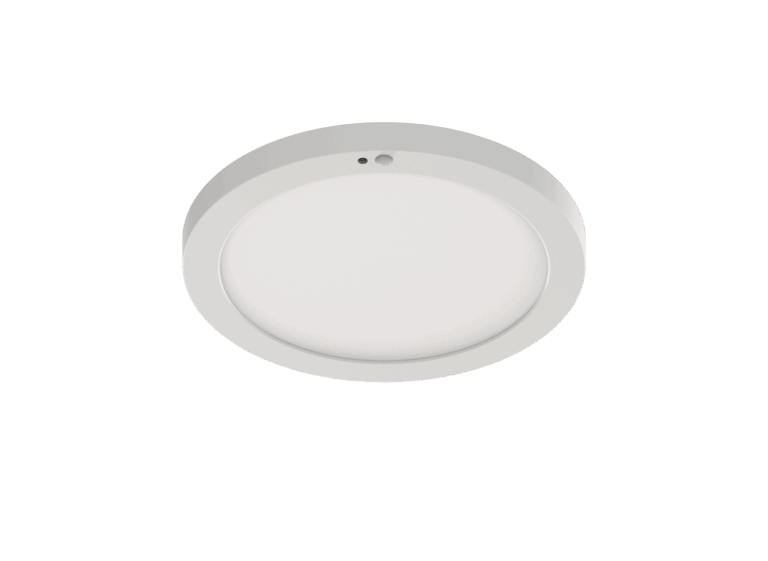
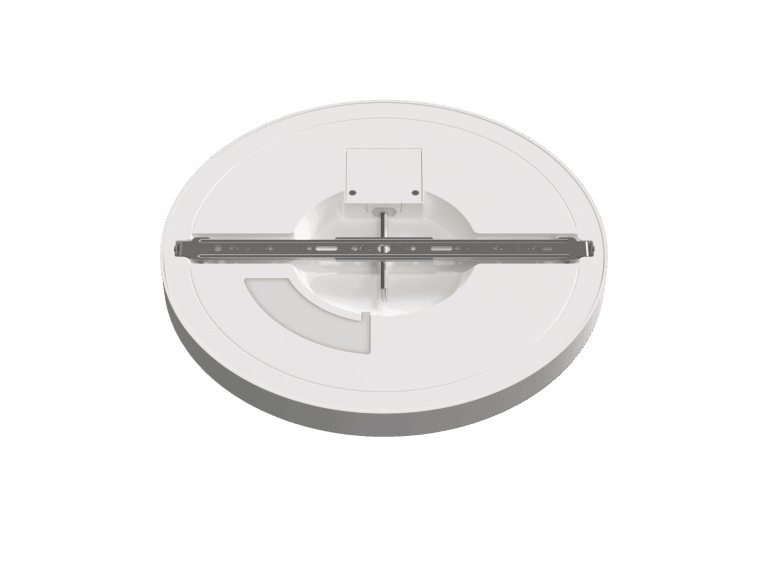
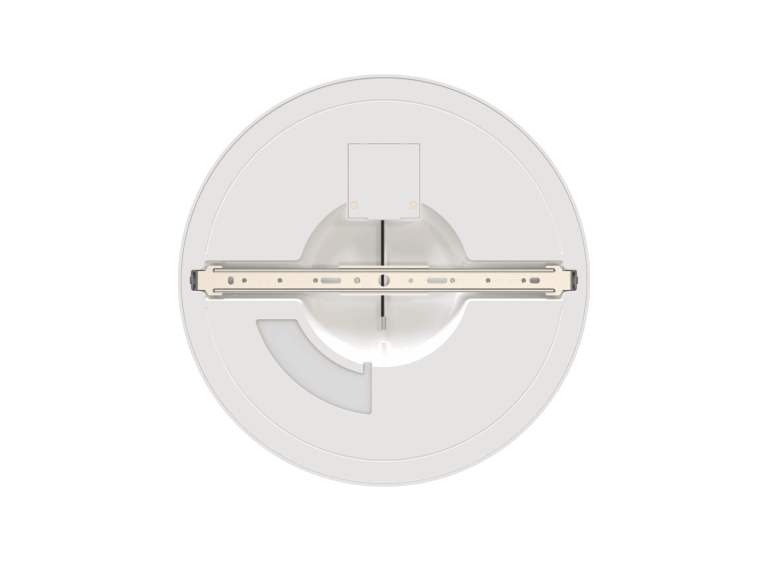


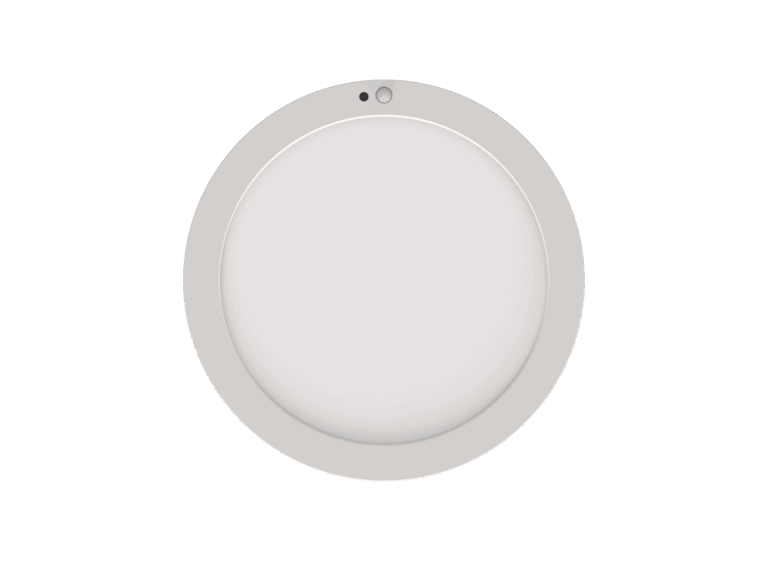
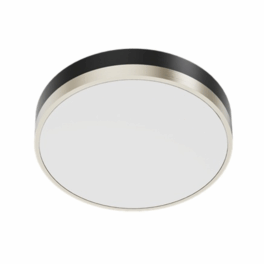
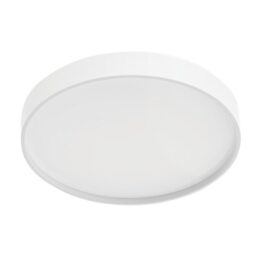
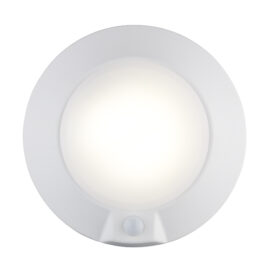
A 12 inch surface flush mount with two sensors, not one. The PIR reads movement, and a photocell decides whether the room's already bright enough to skip it.
24W puts out 1920 lumens at 4000K, across five switch-selectable colour temperatures from 2700K to 5000K. CRI clears 80. Beam spread is 120 degrees.
White housing, PMMA lens, 2.5kV surge protection. cETLus listed, 5 years' warranty.
Where should you not place a motion sensor?
Directly above the spot you need it to catch. Votatec's manual shows a 30 degree blind cone straight down from the lens, with the induction area 40 degrees out either side. Stand right underneath and it may not see you. Mounted at 9.85 ft it reads about 15 ft across the floor, over a 110 degree field. Place these where people cross the zone, not where they stop in it.
What are the downsides of using motion sensor lights?
Three on this one. It won't dim, so don't wire it to a dimmer. Hold time is fixed at 30 seconds, short for a workshop and about right for a corridor. And the blind cone above means spacing matters more here than for a plain flush mount. What you get back: you only pay for the hours somebody's in the room.
Day mode or night mode?
A mode switch on the fixture body picks which. In Day mode the light comes on with motion no matter how bright the room already is. In Night mode it holds off until ambient light drops below 10 lux, so it won't fire in a daylit corridor. It ships in Day mode, 100% brightness, 30 second hold. Switch it to Night in any space with windows.
Will the 12 inch fit?
It needs a compartment of at least 12" x 0.96". The fixture is 12.07" across, 0.96" deep and 1.87 lbs, so a standard octagon box carries it. For a bigger room, the 14 inch 28W version covers more floor at the same 120 degree spread. Keep it inside: the manual rates it damp location, indoor use only, running -20°C to 40°C. An unheated garage is fine. A soffit isn't. Fit the safety wire to bracket and fixture before wiring. To take it down, press one side of the frame perpendicular to the mounting strap and lift from the opposite side, because prying at the self-lock strap damages the housing.
For the wiring sequence, day and night diagrams and that removal method, open the Manual (PDF) in the Related documents panel, and take the IES file if your designer needs photometric data. Send us your fixture count and room sizes and we'll come back with a wholesale quote and a Canadian Electrical Code check.