











 (+1) 905 597 5955


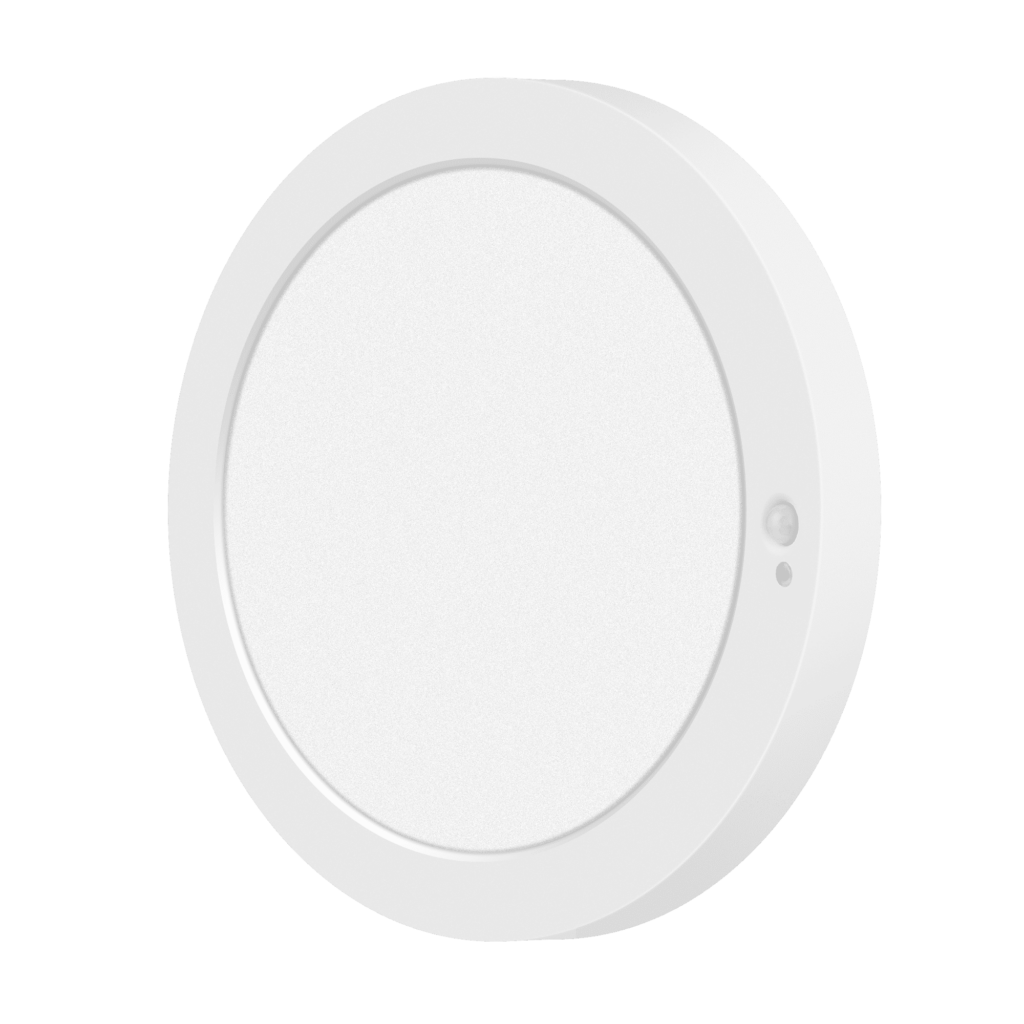
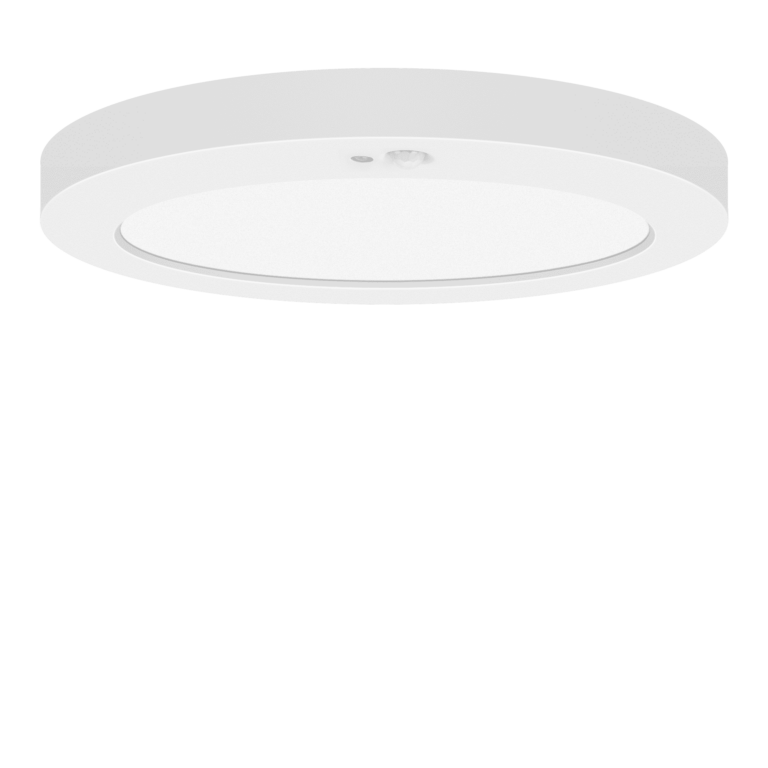
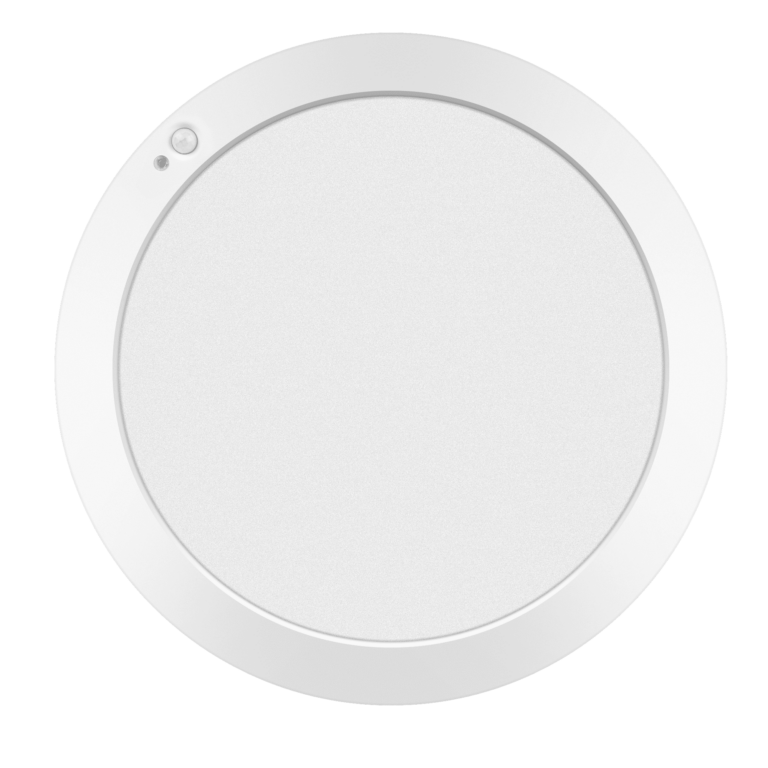
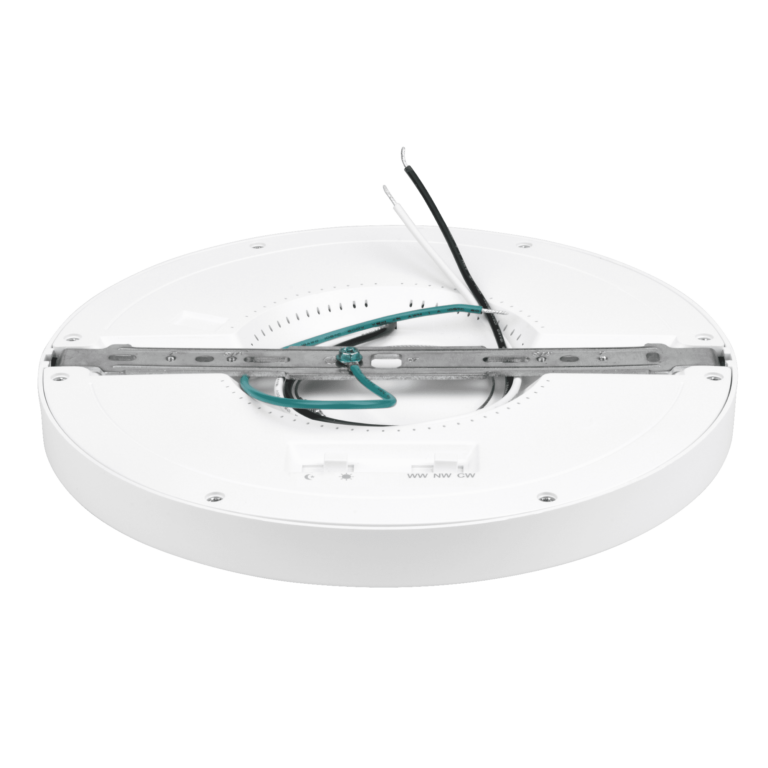
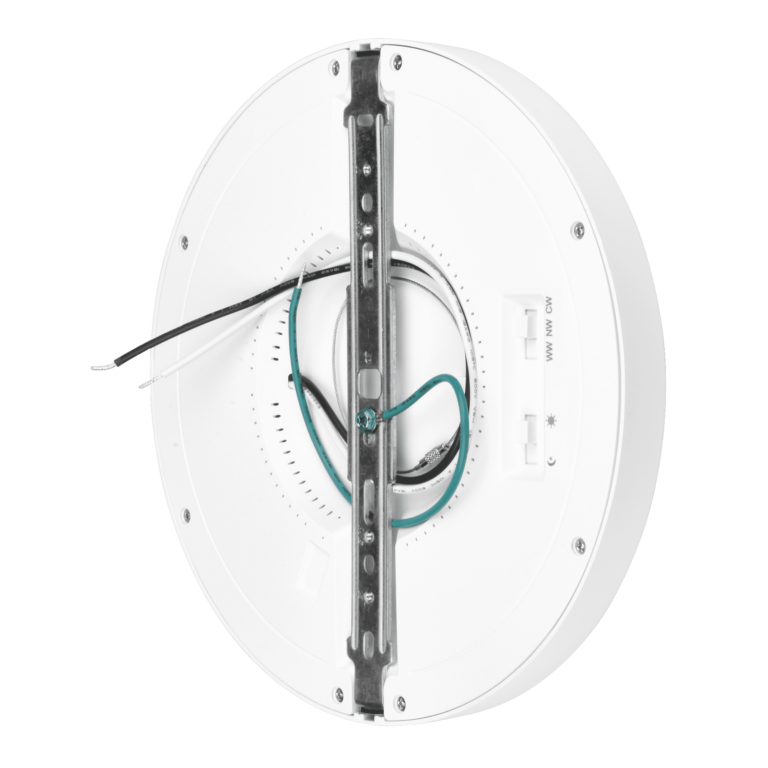


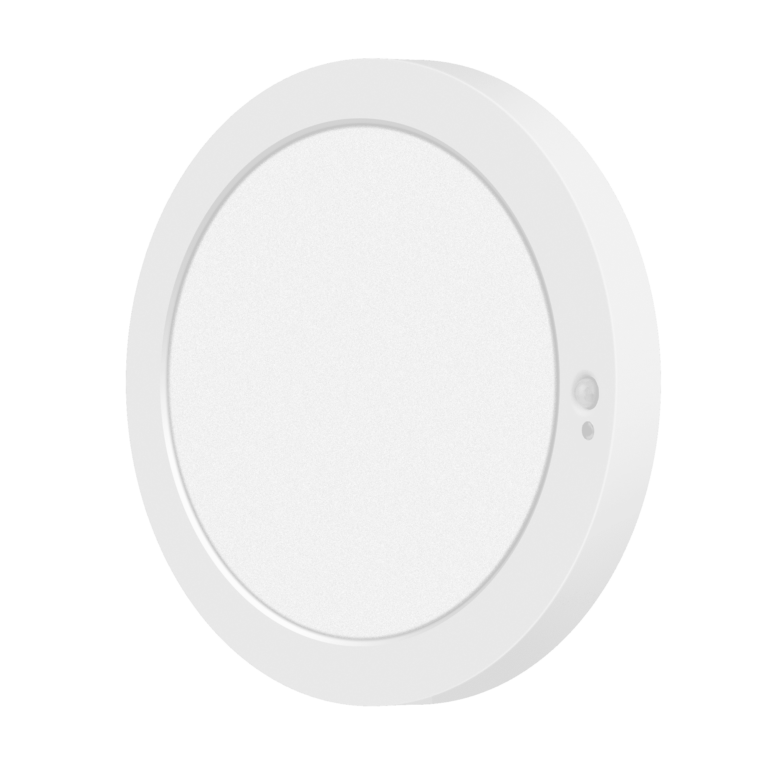
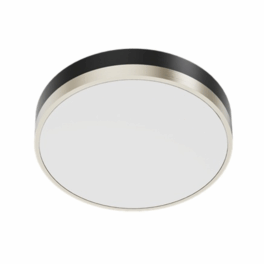
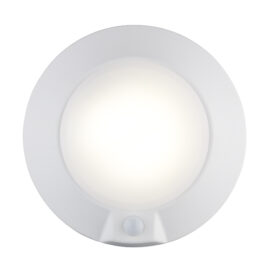
The smallest fixture in Votatec's PIR range, and the one sized for a closet. It carries two sensors, not one. The PIR reads movement, and a photocell decides whether the space is already bright enough to skip it.
12W gives 960 lumens at 4000K, with 3000K and 5000K on a switch behind the housing. CRI clears 80. Beam spread is 120 degrees.
PMMA lens, 2.5kV surge protection. cETLus listed for damp locations, 5 year warranty.
What are the best lights for inside closets?
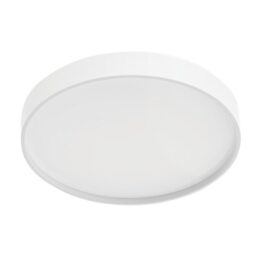
A hardwired fixture with a fully enclosed lens and a sensor that switches it for you. Enclosed matters because a closet packs fabric and cardboard near the light, which is why the Canadian Electrical Code restricts where a luminaire can sit in a clothes closet under Rule 30-204. This one runs a PMMA diffuser over the whole LED array and sits 0.8 inches off the ceiling. Check the clearance to your shelving before picking a position.
How do you light a closet without running new wiring?
You don't, with this fixture. Stick-on battery pucks fill that job at a different price. This one needs a box. What you get for wiring it: no charging, no fade as a cell drains, and 50,000 hours on a 5 year warranty. For a builder doing twenty units, that maintenance difference is the whole argument.
Does the colour you pick change the brightness?
Yes, and nothing on the page says so. The switch gives 3000K, 4000K and 5000K. Output tracks it: 864 lumens at 3000K, 960 at 4000K, 936 at 5000K. The 960 figure everyone quotes is the 4000K setting. Pick warm and you give up 10 percent.
Will it fit, and where can you put it?
It needs a compartment of at least 6.5" x 0.8", so a standard octagon box carries it. The fixture is 6.5 inches across, 0.8 deep, 0.77 lbs. Mount it at 9.85 ft and the PIR reads 3 to 5 m across a 110 degree field, holding 30 seconds. There's a blind cone straight down from the lens, so put it where people cross the space rather than directly over the doorway. Keep it indoors: damp location, IP20, -20°C to 40°C. For a bigger room the 9 inch 18W covers more floor.
For the CCT and mode switch positions and the day and night sensor behaviour, open the Spec sheet (PDF) in the Related documents panel, and take the IES file if your designer needs photometric data. Send us your fixture count and room type and we'll come back with a wholesale quote and a Canadian Electrical Code check.