










 (+1) 905 597 5955


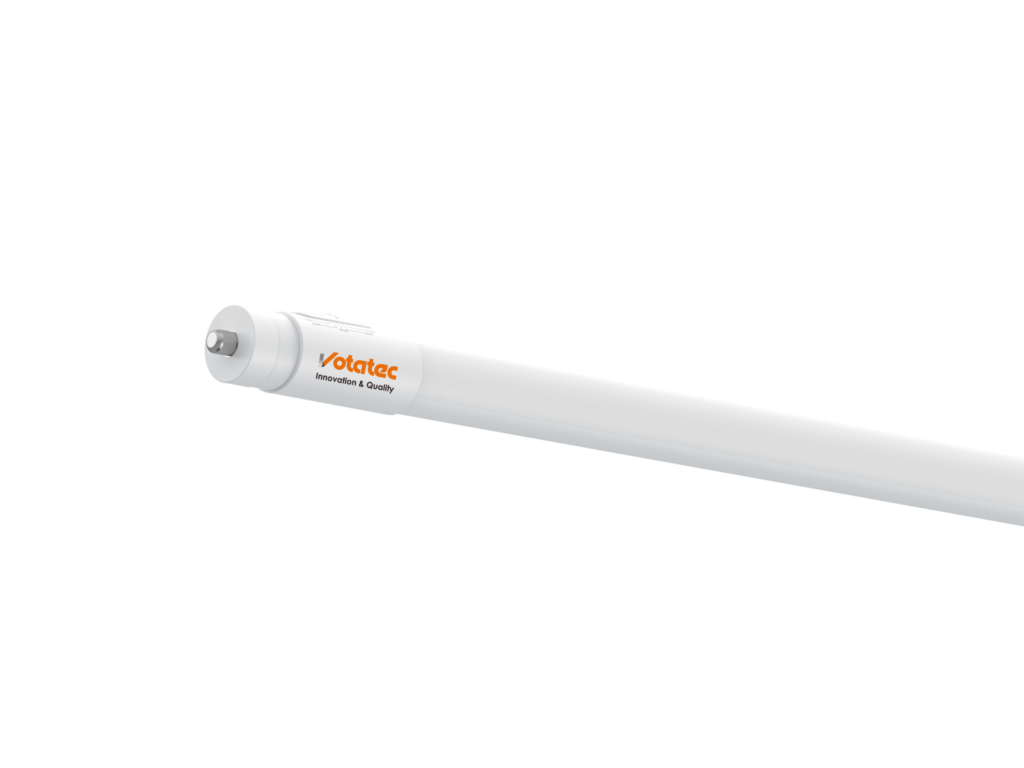
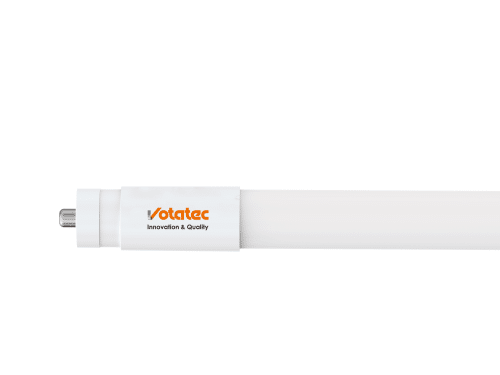
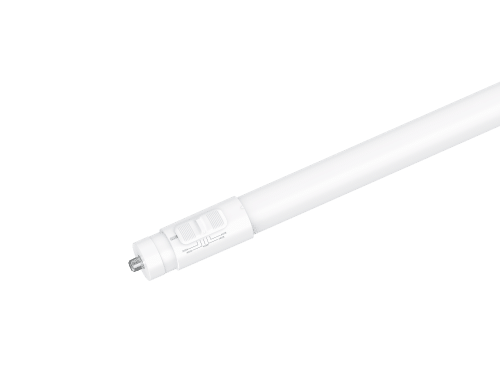



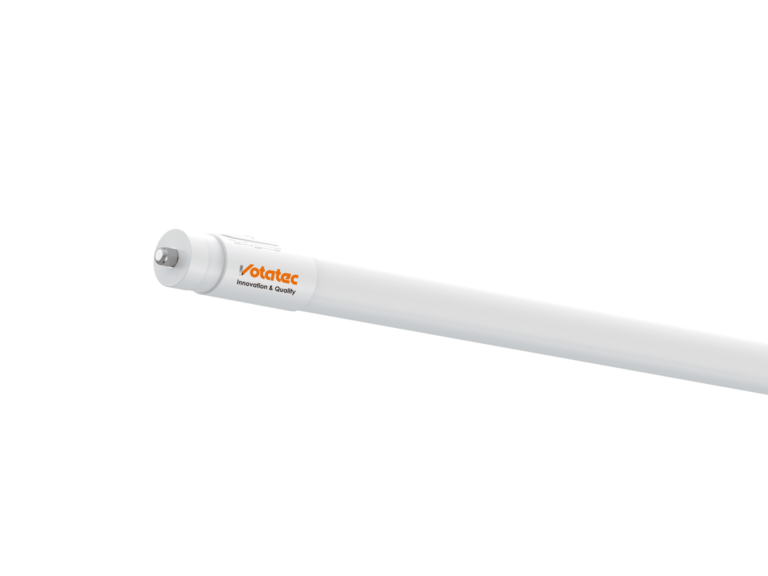
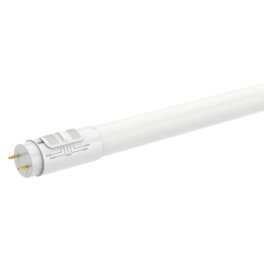
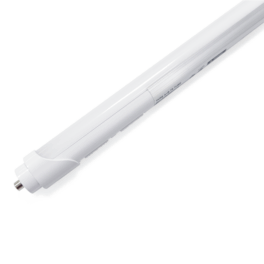
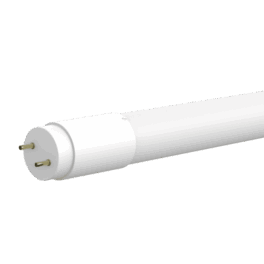
This 8ft T8 LED tube is a Type B lamp. It bypasses the ballast and wires straight to line voltage, and it takes power at one end or across both, so it suits either socket layout.
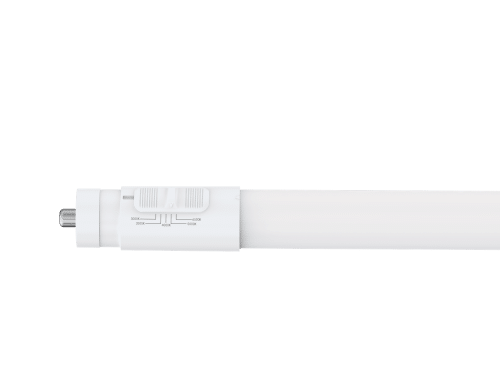
42W gives 5,500 lumens at CRI >83, with a switch on the tube for 3000K, 3500K, 4000K, 5000K or 6500K.
Glass tube, plastic shatter coating, cULus certified, NSF component listed, 5-year warranty.
What is a Type B LED tube?
A Type B tube runs on line voltage with the ballast taken out of the circuit. The driver sits inside the tube, so there's no ballast left to hum, cook itself or fail in year four. This one wires to L and N at 120-277V, 50/60Hz, and accepts power at a single end or across both ends. Worth knowing before you start: once a fixture is converted this way, it won't run fluorescent lamps again.
How do you tell if an LED tube is Type A or Type B?
Read the label. A Type A lamp keeps the existing ballast and quotes a ballast compatibility range, and its power factor is whatever the ballast gives it. A Type B lamp says ballast bypass or direct wire and quotes an input voltage range instead. This one is Type B. Power factor is >0.9, and the manufacturer's IES test logged 0.97 at 39.7W draw.
Five colour temperatures, one part number
A switch on the end cap sets 3000K, 3500K, 4000K, 5000K or 6500K. Distributors carry one line item instead of five, and crews pick the colour on the ladder. Output barely moves across the range: the two IES files record 5,504 lumens at 3000K and 5,389 at 6500K.
What your 8ft fixture needs before you order
The tube measures 2,385mm (93.9") over the pins and 26mm (1") across. FA8 end caps and an anti-rotation clip come in the box. R17D caps sell separately, so tell us which sockets you've got. It's IP20 and rated -20°C to +45°C, so it stays indoors and dry. A qualified electrician has to do the conversion, cutting the lampholder leads rather than unpicking the terminals, and the caution label goes on the fixture afterwards.
For the wiring diagrams, the socket alignment step and the full retrofit warnings, open the Manual (PDF) in the Related documents panel, and take the IES files if your designer needs photometrics at 3000K and 6500K. Send us your fixture count and socket type and we'll come back with a wholesale quote and a base check.